Enhance Your Wargaming with Burnt Tile Rollers
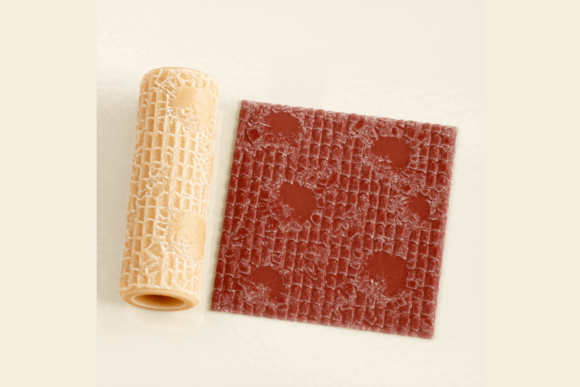
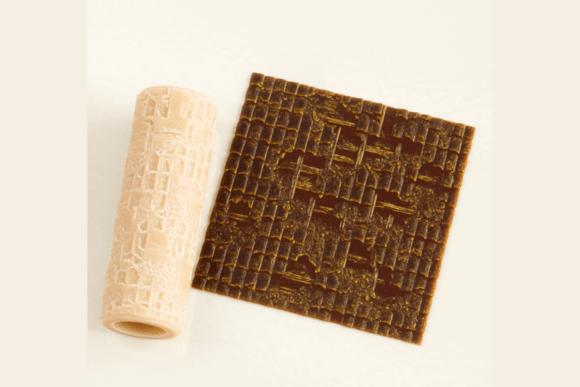
Transform your wargaming scenery into a vivid, battle-scarred landscape with the Burnt Tile Terrain Roller Wargaming STL. This innovative 3D printable tool is designed to add a layer of realism and detail to your tabletop battles, making every scene more immersive and engaging.
What Makes the Burnt Tile Roller Unique?
The Burnt Tile Terrain Roller stands out with its unique combination of regular, traditional roof tiles and jagged, charred sections. This blend creates a striking, battle-worn aesthetic that captures the aftermath of intense conflicts, such as dragon attacks or sieges. The high detail in the design allows for deep textures, making it ideal for dry-brushing and painting techniques that bring out the nuances of the burnt and broken surfaces.
Ruined Buildings and Structures
One of the most compelling uses for the Burnt Tile Roller is creating roofs for ruined, fire-damaged buildings. Imagine a medieval village ravaged by a dragon's fiery breath, or a futuristic cityscape devastated by a fierce battle. The roller's detailed texture can help you craft these scenes, adding a sense of history and destruction to your models.
Thematic Bases for Miniatures
For miniatures enthusiasts, the Burnt Tile Roller can be used to create thematic bases that enhance the storytelling aspect of your figures. Whether you're setting up a grim fantasy or a post-apocalyptic sci-fi scenario, the burnt and charred textures can provide a perfect backdrop for your characters, giving them a context that is both visually appealing and narratively rich.
Battlefield Scatter Terrain
Scatter terrain is essential for any wargaming setup, and the Burnt Tile Roller can help you create pieces that show recent destruction. Use the roller to add texture to small, scattered elements like rubble, fallen walls, and broken structures. These details can make your battlefield more dynamic and realistic, enhancing the overall gaming experience.
Material Compatibility
The Burnt Tile Roller works perfectly with a variety of modeling materials, including polymer clay, epoxy putty, air-dry clay, and modeling foam. Choose the material that best suits your project and the level of detail you want to achieve. For example, polymer clay is great for fine, intricate details, while epoxy putty is excellent for larger, more robust structures.
Painting Techniques
To bring out the best in the textured surfaces, consider using dry-brushing and washes. Dry-brushing highlights the raised areas, while washes help to deepen the recesses, creating a more three-dimensional and weathered look. Experiment with different colors and shades to achieve the desired effect, whether it's a freshly scorched surface or an ancient, crumbling ruin.
Wargamers and Hobbyists
For wargamers and hobbyists, the Burnt Tile Roller is a versatile tool that can be used to create a wide range of scenarios. Whether you're building a detailed diorama or a modular gaming table, the roller can help you add the necessary texture and detail to make your creations stand out. Consider using it to create themed terrain for specific campaigns or events, adding a unique touch to your gaming experience.
Educators and Designers
Educators and designers can also benefit from the Burnt Tile Roller. In educational settings, it can be used to teach students about historical architecture, the effects of natural disasters, or the principles of 3D printing and modeling. For designers, the roller can serve as a creative tool for developing prototypes, experimenting with new designs, or adding a distinctive, textured element to their projects.
Conclusion
The Burnt Tile Terrain Roller Wargaming STL is a powerful tool for anyone looking to add depth and realism to their wargaming scenery. With its unique damage patterns and high detail, it offers endless creative possibilities for crafting battle-worn, fire-damaged landscapes. Whether you're a wargamer, hobbyist, educator, or designer, this roller can help you bring your vision to life in a way that is both practical and inspiring.